

The Power of Visual Management
In a world where competition for not just customers but talent is fierce, we need to do everything we can to stand ahead of the crowd. It doesn’t matter if you’re an operations leader in a large company or a small business owner, you need to be proactive in improving your operational efficiency. One powerful tool that can help you achieve your goals is visual management.
What is Visual Management?
Visual management is a method of using visual cues, such as signs, posters, and displays, to communicate key information and improve your work processes. It’s a simple but effective way to keep everyone on the same page, reduce confusion, and increase productivity. When you implement visual management techniques, you can quickly and easily communicate important information to your team or across your entire organization, things like daily production targets, quality control checks, and safety procedures.
Why Visual Management Works
Visual management works because it appeals to our natural preference for visual information. Research has shown that the human brain processes images 60,000 times faster than text. This means that visual management can help you communicate complex information quickly and effectively, making it easier for your employees to understand and act on it.
Another reason visual management is so effective is that it helps to keep everyone accountable. When information is displayed visually, it’s much harder to ignore or overlook. This makes it easier for you to monitor progress, identify areas for improvement, and take corrective action when necessary.
How to Implement Visual Management
The first step in implementing visual management is to identify the key areas where it can have the greatest impact in your organization. For example, you may want to use visual management to improve communication in your production line, streamline your inventory management processes, or improve quality control in your manufacturing facility.
Once you have identified the areas you want to focus on, you can start to implement visual management tools and techniques.
Some examples include:
- Visual displays: Use posters, signs, and displays to communicate important information, such as production targets, safety procedures, and quality control checks.
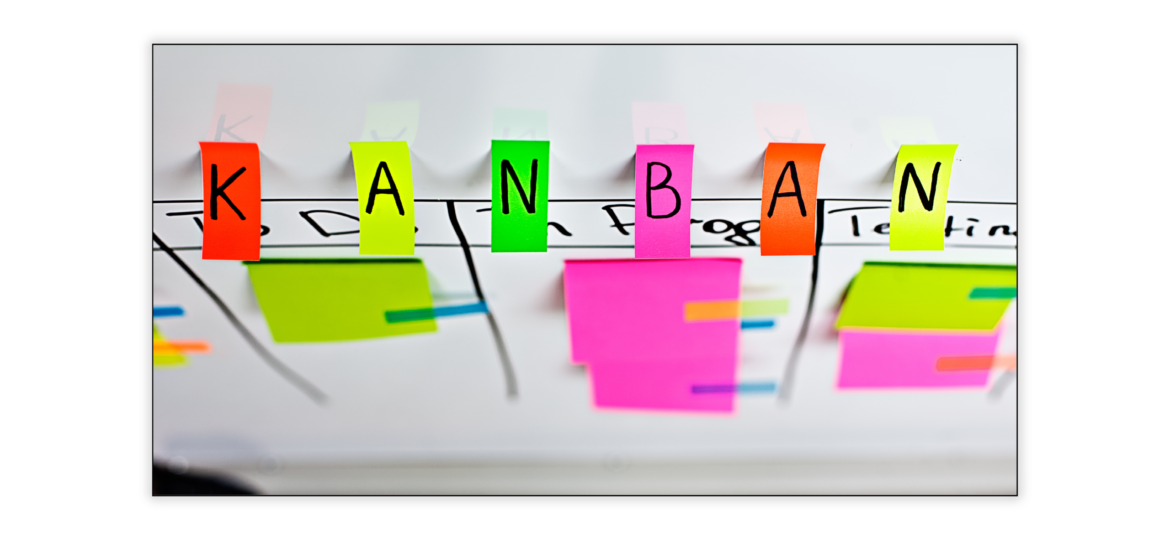
- Kanban boards: Use a visual board to track the progress of work in progress and help you manage inventory levels.
- Andon cords: Provide employees with an easy way to quickly alert management when they encounter a problem on the production line. You’ll most often see these in manufacturing work cells or production lines.
Remember, the key to creating sustainable change is to start small! While you certainly can implement costly and complex digital signage, I wouldn’t recommend it until you’ve implemented inexpensive, simple, and quick versions to start.
Benefits of Visual Management
By using visual management in your organization, you can achieve numerous benefits, including:
- Improved communication: Visual management makes it easier for you to communicate important information to your employees, reducing confusion and improving understanding.
- Increased productivity: By using visual cues to guide employees and streamline processes, visual management can help you increase productivity and reduce waste.
- Improved quality control: Visual management makes it easier for you to monitor quality control processes and identify areas for improvement.
- Enhanced safety: Visual displays and signs can help to improve safety in your workplace by reminding employees of important procedures and warning of potential hazards.
Final Thoughts: Embrace the Power of Visual Management
Visual management is a simple yet powerful tool that can bring significant benefits to any business. From boosting productivity and improving communication to streamlining operations and enhancing safety, the advantages are numerous.
That’s it for today.
See you all again next week!
Dave
Ready to see what's holding your operation back?
Take the Operations Diagnostic: your top 3 priorities, plus a quick win for each. I personally review every one and send your insights within 24 hours.
Already know you need a hand? Let's Talk → 20-Minute Strategy Call